
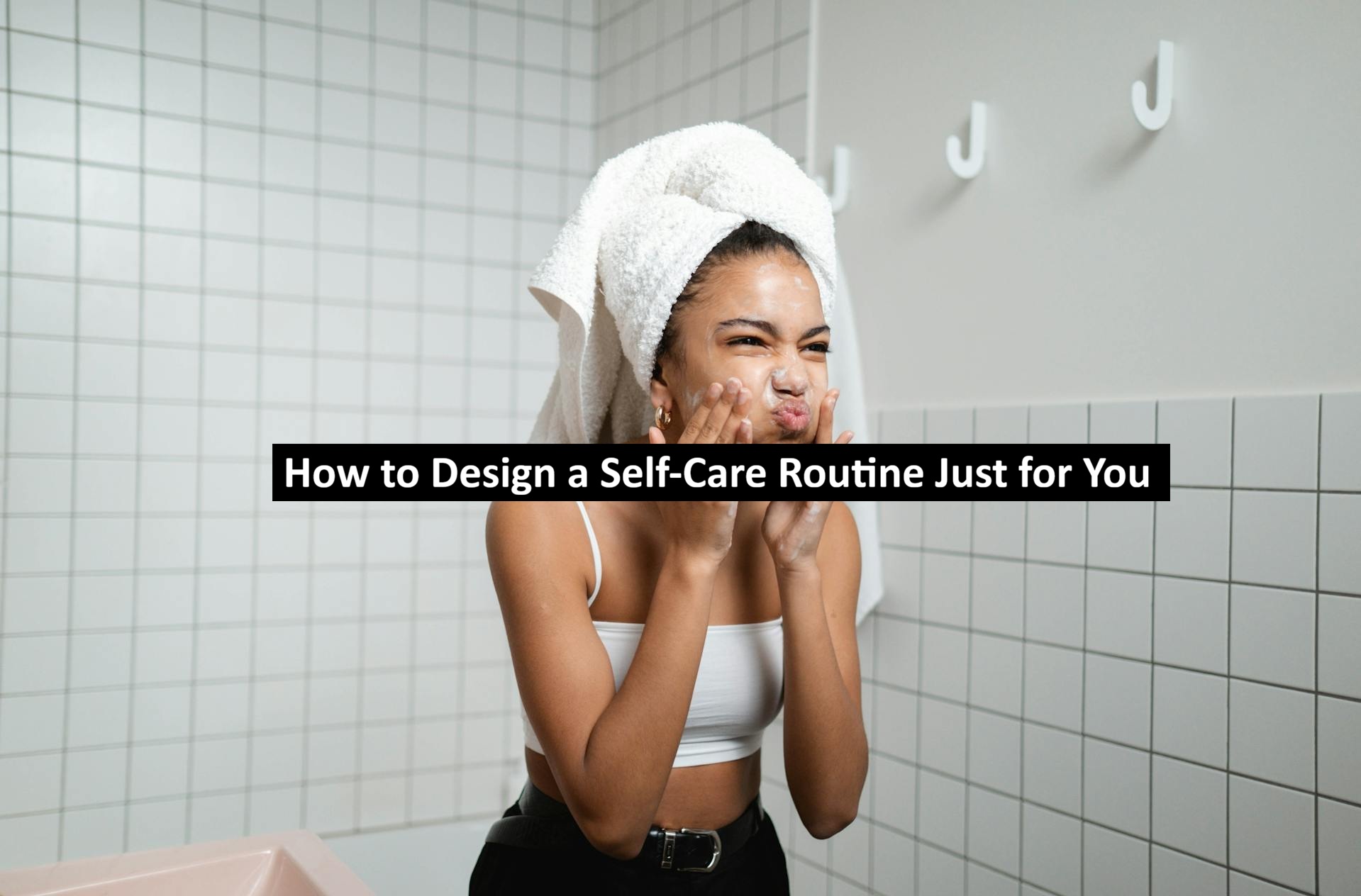
Self-care has become an essential part of maintaining balance in today’s fast-paced and demanding world. With busy schedules, in between work and working out, many people find themselves feeling overwhelmed or mentally drained at the end of the day. Most perceive self-care as a luxury; however, self-care gives you time to recharge, counteract stress and maintain overall well-being. And it’s not just about expensive spa days or grand holidays to the Maldives; self-care can be as simple as brushing your eyebrows or moisturising your body.
Another common misconception of self-care is that the same routine works for everyone. Just like clothing or film preference, self-care is completely individual. What helps one person feel calm, energised, or supported may not work for another. For some people, self-care may be exercising, whilst others may love to read in a quiet spot or journal in a cafe.
The true purpose of a self-care routine is to support mental, physical, and emotional health in a way that is sustainable and enjoyable to you. This article will guide you through practical steps to design a self-care routine completely tailored and personal to you, your personal lifestyle and your goals.
Read: Crowns vs. Veneers: Which Fix Is Right for Your Tooth?
Understanding what self-care means to you
Before you create a self-care routine for yourself, first you must look at your own daily routines and preferences. By looking at your own habits, you can identify what is meaningful to you and what makes you stressed or relaxed. You should ask yourself questions such as what activities make you feel relaxed and energised? When do you feel most overwhelmed? What areas of your life need to be most balanced?
In asking yourself these questions, you can assess where you need self-care and what areas of your life are causing the most stress, so you can focus your self-care on these areas.
Self-care is not just an individual act; it can be split into 4 separate components. Firstly, physical self-care is one of the most obvious forms of self-care and involves activities such as working out or more aesthetic improvements, such as skin care or beauty treatments. Mental self-care is another important element and involves looking after your mind through support and stimulation. This can involve reading, learning new skills and solving puzzles, which can mentally challenge your brain and help to diversify your mind. Emotional self-care is about understanding and processing your feelings healthily through meditation with the aim of reducing stress. Finally, social self-care focuses on building and maintaining relationships. Building relationships and community is one of the most effective ways to feel valued, improving overall happiness.
Choose activities that match your needs
Once you have identified your current habits and have identified where self-confidence is missing, whether this is physical exercises or time for brain stimulation, you can then choose activities that support them. There are multiple activities that you can choose from across the 4 categories to suit you and your preferences.
Physical self-care– These can include physical exercise, adequate sleep and healthy means, all things that look after your physical health.
Mental self-care– Mental self-care that helps to boost and stimulate your mind can include reading, learning new skills and limiting screen time that can mentally and physically exhaust you.
Emotional self-care– Caring for emotional well-being and reflecting on feelings can be as easy as noting down thoughts, journaling, or therapy or counselling.
Social self-care– Spending time with supportive friends and family doing activities that you enjoy is one of the best forms of social self-care. Alternatively, joining communities or hobbies can help you to branch out and meet new people.
Start small and build consistency
The main reason that people fail to build a personal self-care routine and stick to it is that they try to do too much at once. If you try to run 3 times a week, as well as journaling and doing a puzzle every day in the first week of self-care, it’s easy to see why you wouldn’t be able to keep it up. This is why you should start with 1 or 2 small and manageable habits at first, such as journaling once a week and getting your 5 a day. You can build these up and increase intensity as the weeks go by.
The most important thing is to be consistent and build up a routine. The key to implementing successful habits is to link them to everyday habits that you already do every day, or a habit stack. This can include journaling when drinking your morning coffee or running back from work instead of walking or getting a bus. Sowling, adding to this and gradually improving and implementing more habits, is the easiest way to make routines sustainable.
Creating a routine that truly supports you
Creating a self-care routine doesn’t have to be difficult. By looking at your own life and following the 4 aspects of self-care, you can make meaningful changes to your routine that look after your health mentally, physically and emotionally. So, grab your face primer or your running shoes and start creating a routine built for you today!