
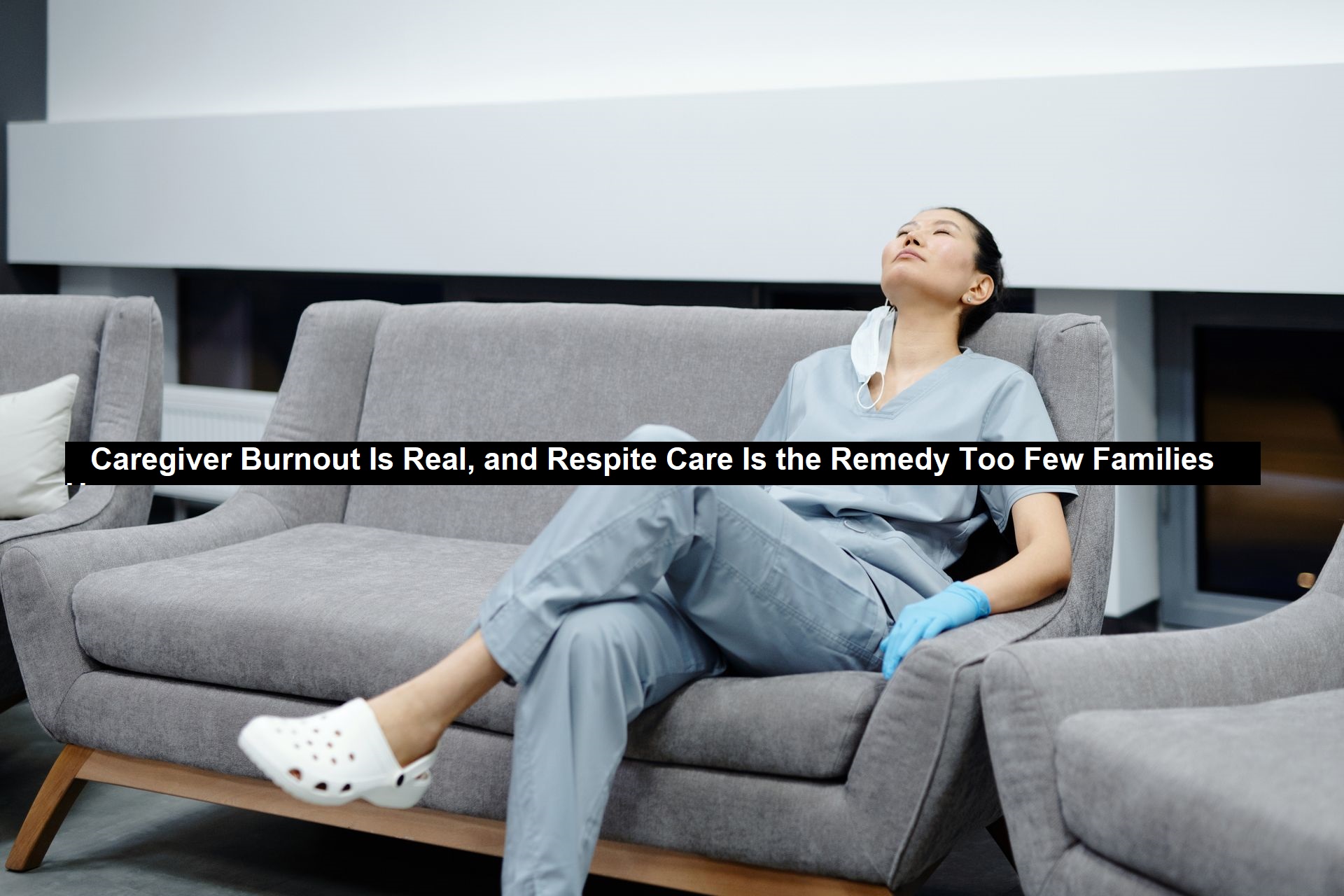
There’s a question family caregivers dread, because they never have a good answer: “Who’s taking care of you?”
An estimated 63 million Americans now provide unpaid care to an adult family member, a 45% increase over the past decade, according to the AARP and National Alliance for Caregiving’s “Caregiving in the U.S.” research. Most of them are adult children or spouses managing medications, meals, bathing, doctor’s appointments, and finances on top of jobs and families of their own. In the same research, roughly two-thirds of caregivers report high emotional stress, and nearly half report significant physical strain.
Caregiving is an act of love. It is also, by any honest measure, one of the most demanding unpaid jobs in America, and it comes with a documented occupational hazard: burnout.
What Burnout Actually Looks Like
Caregiver burnout isn’t ordinary tiredness. It’s a state of physical, emotional, and mental exhaustion that builds over months or years of chronic stress, and it tends to arrive in disguise. Common signs include:
- Exhaustion that sleep doesn’t fix. Waking up tired, running on caffeine and willpower.
- Irritability and resentment. Snapping at the person you’re caring for, then drowning in guilt about it.
- Withdrawal. Dropping friendships, hobbies, and activities because there’s no time or energy left.
- Neglecting your own health. Skipped checkups, poor eating, no exercise, ignored symptoms. Nearly a quarter of caregivers report difficulty taking care of their own health.
- Anxiety, low mood, or a sense of hopelessness. Feeling trapped in a situation with no end in sight.
- Getting sick more often. Chronic stress measurably suppresses immune function.
The cruelest feature of burnout is that it degrades the very thing caregivers care most about: the quality of care they provide. An exhausted caregiver makes more medication errors, has less patience, and is at higher risk of injury while assisting with transfers and bathing. As the National Institute on Aging puts it, taking care of yourself is one of the most important things you can do as a caregiver, not a luxury bolted on afterward.
Dementia Caregiving Carries the Heaviest Load
Not all caregiving is equally demanding, and the research is clear that dementia caregiving sits at the extreme end. Caring for someone with Alzheimer’s or another dementia typically means more hours per week, more years of caregiving, more assistance with personal care, and a far higher rate of reported emotional strain than other caregiving situations.
The reasons are structural, not personal. Dementia care involves supervision that never fully stops, because wandering and confusion don’t keep business hours. It involves grief that arrives in installments, as a caregiver mourns a person who is still physically present. And it involves behaviors, agitation, repetition, sundowning, that are genuinely hard to absorb hour after hour without relief. Spouses caring for a partner with dementia are especially vulnerable, because they are often older themselves and have no one to trade shifts with.
If you are caring for someone with memory loss and you feel like you’re failing, the far more likely explanation is that you’ve been handed a job designed for a team and asked to do it alone.
Read: Preventative Self-Care for Aging Feet: Maintaining Balance, Comfort, and Mobility
The Guilt Problem
If the solution to burnout is rest, why don’t caregivers rest? Ask any of them and you’ll hear the same word: guilt.
Guilt about leaving Mom with “strangers.” Guilt about spending money on help. Guilt about admitting the job has become too big. Many caregivers made promises, I’ll never put you in a home, that they now interpret as a ban on accepting any help at all. Others believe, sincerely but wrongly, that no one else can do the job properly.
Here’s the reframe that helps many families: respite is not abandoning your role. It’s maintenance on the most important piece of equipment in the entire care plan, which is you. Flight attendants aren’t being selfish when they tell you to put on your own oxygen mask first. They’re being accurate about how oxygen works.
What Respite Care Is, and the Forms It Takes
Respite care is short-term care that temporarily relieves a family caregiver. It ranges from a few hours to a few weeks, and it comes in several forms:
In-home respite. A professional aide or trained volunteer comes to the house for a few hours so you can run errands, attend your own appointments, or simply rest.
Adult day programs. Structured daytime programs offering activities, meals, and supervision, typically on weekdays. A strong option for caregivers who work.
Residential respite stays. Many senior living communities offer furnished short-term stays, days to weeks, where your loved one receives the same care, meals, activities, and 24-hour support as long-term residents. This is the option families use for vacations, surgeries, business travel, or recovery after a hospitalization when home isn’t ready or safe yet.
For dementia caregivers specifically, it’s worth asking whether a respite provider offers a secured environment and staff with dementia-specific training, since general respite settings aren’t always equipped for wandering or significant confusion. Families across Cape May County researching memory care wildwood and surrounding shore communities should ask directly about staff training, security, and how the community handles agitation before booking a stay.
Residential respite has a quiet second benefit that families rarely anticipate. It’s a no-commitment trial of community life. A parent who has flatly refused to discuss senior living often returns from a two-week respite stay with a different view, having eaten the food, joined the bingo game, and made a friend. If a longer-term move ever becomes necessary, it’s no longer a leap into the unknown.
How to Use Respite Well
A few practical guidelines make respite care work better for everyone:
Schedule it before you’re desperate. Respite works best as regular preventive maintenance, a standing monthly weekend or a planned week each quarter, rather than an emergency measure deployed after you’ve already hit the wall.
Prepare your loved one honestly and positively. Frame a residential stay as “a short stay at a community with great meals and activities while I’m away,” not as a test or a trick. Visit together beforehand if possible.
Write down the details. Medication schedules, routines, preferences, quirks, favorite foods, what soothes agitation. Good respite providers will ask, and your notes make the handoff smooth and your time off actually restful.
Actually rest. The point is recovery, not catching up on every deferred chore. Protect at least part of the time for sleep, exercise, friends, or nothing at all.
Explore funding options. Costs vary by type and region. Long-term care insurance often covers respite, the VA offers respite benefits for eligible veterans, and your local Area Agency on Aging, findable through the Eldercare Locator, can point you to programs, vouchers, and support in your county. The National Family Caregiver Support Program funds respite services in every state.
The Bottom Line
Caregiver burnout is not a personal failing, and needing a break is not a betrayal. The research is blunt: caregiving at today’s intensity, sustained without relief, damages caregivers’ mental and physical health, and ultimately the care itself. Respite care exists because love alone doesn’t refill anyone’s tank. If you’ve read this far and recognized yourself in the signs above, treat that recognition as data. Call your local Area Agency on Aging, ask a nearby community about short-term stays, and put a real break on the calendar. The person you’re caring for needs many things from you, but none of them more than your ability to keep going.