
A bottle of supplements looks the same on day one and day two hundred, but what happened to it in between often determines whether it still works. Supplement cold storage is one of the least visible factors in product quality, yet it shapes whether active ingredients survive the trip from raw material to capsule intact. Heat exposure, humidity, and temperature swings can quietly weaken certain compounds long before an expiration date arrives, and nothing on the packaging reveals that this has happened. Understanding how sensitive ingredients are handled during manufacturing, testing, and shipping offers a more complete picture of product quality than the ingredients list alone ever could.
Why the Label Doesn’t Tell the Whole Story
A supplement label tells you what went into the formula, not what happened to it afterward. Potency is not a fixed property that stays locked in place once a product leaves the factory; it is a moving target that depends on how the material was handled at every stage between production and the moment it reaches a shelf or a medicine cabinet.
Some compounds are particularly vulnerable to this kind of drift. Certain probiotic strains rely on live organisms that lose viability when exposed to warmth, meaning a bottle sitting in a hot delivery truck or a sun-exposed storage room can contain far fewer active cultures than the label claims by the time it reaches a consumer. Omega-3 fatty acids behave differently but with a similar outcome: heat and light accelerate oxidation, breaking down the molecular structure that makes fish oil beneficial in the first place. Fat-soluble vitamins can also degrade under sustained heat exposure, though the rate varies by formulation.
What makes this problem particularly tricky is its invisibility. A degraded supplement rarely smells different, changes color, or looks damaged in any obvious way. There is no sensory cue warning a consumer that potency has quietly dropped. This is precisely why the handling history of a product, not just its formulation, deserves more attention than it typically receives.
Inside the Cold Chain: From Raw Material to Finished Product
Before an ingredient ever reaches a supplement, it passes through a chain of temperature-controlled steps designed to protect its integrity. Raw materials, particularly biologically active ones like probiotic cultures, enzymes, or certain botanical extracts, are stored under controlled refrigeration from the moment they arrive at a manufacturing facility, long before they are blended into a finished formula.
This matters because manufacturers rely on stability testing to determine how long a product will remain effective, and that testing depends entirely on reference samples being stored under consistent, known conditions. If a reference sample used to establish a shelf-life claim was itself exposed to temperature fluctuations during storage, the resulting data becomes unreliable, and the shelf-life figure printed on a bottle may not reflect how the product actually behaves once it leaves the lab. A deviation of only a few degrees during a testing cycle can shift stability results enough to change how conservative or optimistic a shelf-life claim ends up being.
Regulated cold storage is used throughout pharmaceutical and laboratory settings for exactly this reason: preserving the integrity of sensitive materials from the earliest stages of handling through to final quality checks. This is not a single refrigerator doing double duty, but a coordinated sequence of storage points, each monitored and logged, that together form what is often called a cold chain. Every link in that chain, from the initial receipt of raw material to the final pre-shipment sample retained for quality records, has to hold its temperature within a defined range. A break anywhere along that sequence can undermine confidence in the entire batch, which is why manufacturers invest heavily in equipment that removes guesswork from the process rather than relying on standard consumer-grade appliances.
Why Labs Rely on Specialized Cold Storage Equipment, Not Ordinary Refrigerators
A break-room refrigerator is built around convenience: quick access, variable temperatures every time the door opens, and no meaningful record of what happened inside it overnight. Laboratory and manufacturing environments need the opposite. Samples used for stability testing, reference standards, and in-process materials require an environment where temperature stays within a narrow, predictable band regardless of how often the unit is accessed or how the room around it fluctuates.
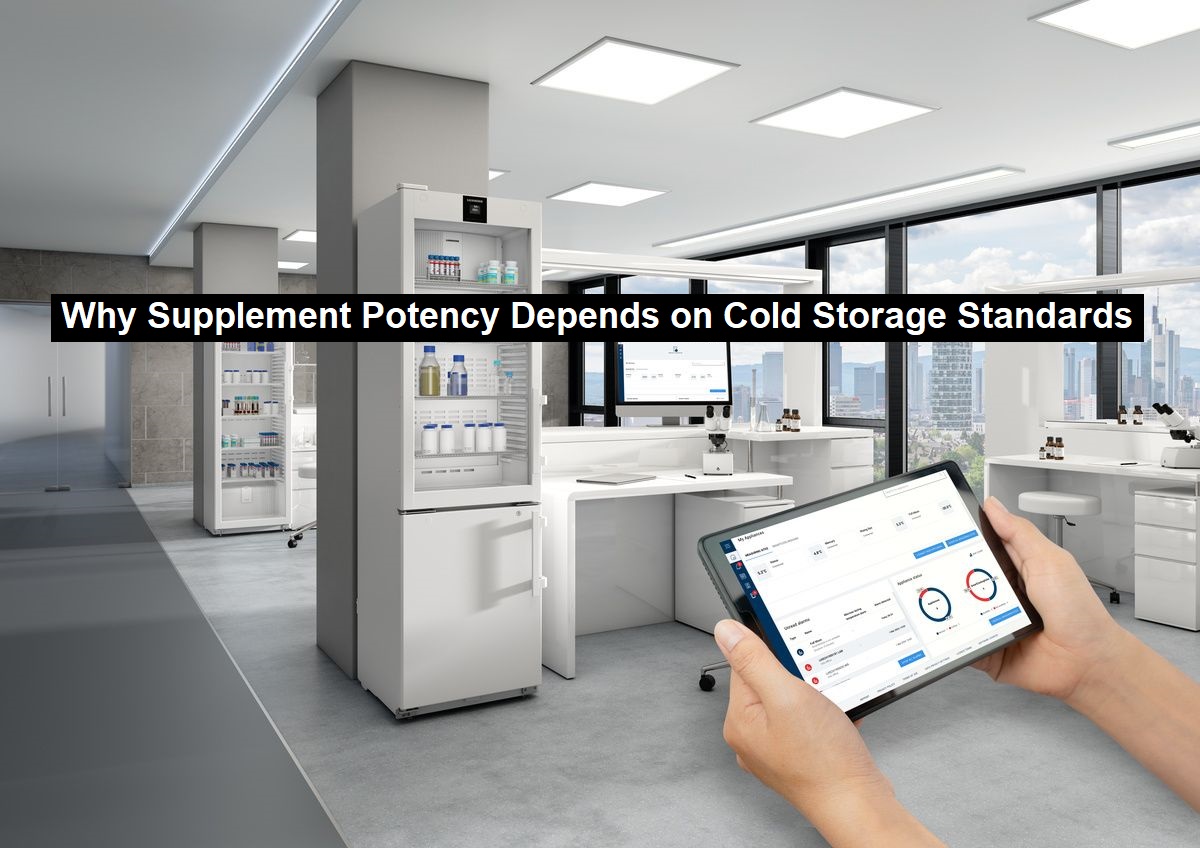
Facilities handling regulated samples typically rely on a dedicated lab fridge freezer unit engineered for that kind of stability, rather than the convenience-oriented cooling built into a standard household appliance. The distinction is not cosmetic. A domestic refrigerator is designed to cycle temperature within a range that is fine for food but too wide for sensitive testing materials, and it has no mechanism to alert anyone if that range is briefly exceeded. Equipment intended for regulated storage is built around continuous monitoring, tighter tolerances, and alarm systems that flag deviations the moment they occur, rather than after the fact.
That alarm capability turns out to be one of the most practically important features. If a door is left ajar, a compressor falters, or ambient conditions shift unexpectedly, an alarm-equipped unit records the deviation and notifies staff immediately, rather than allowing a slow drift to go unnoticed for hours. This documentation becomes evidence during audits and quality reviews, allowing a facility to demonstrate that samples never left a safe temperature range throughout their storage period. Without that kind of continuous record, a facility has no way to prove, after the fact, that a batch of reference material or in-process samples remained within specification the entire time it sat in storage.
What Documentation and Traceability Mean for Product Trust
Temperature logs and stability records rarely reach the average consumer directly, but their existence still shapes whether a product can be trusted. Some manufacturers make batch testing summaries or certificates of analysis available on request, offering a way to verify that a specific lot met its stability and potency targets rather than simply assuming it did based on the label alone.
Traceability works by connecting every stage of production back to a documented record. A raw material lot is logged when it arrives, tracked through storage, linked to the stability samples pulled during testing, and finally tied to the finished batch that reaches a shelf. If a question ever arises about a particular product, this chain of records lets a manufacturer show what conditions that batch experienced throughout the entire process, not just what a final release test showed on a single day. That distinction matters because a product can pass a release test and still have experienced a temperature excursion earlier in its life that a spot check would never catch.
This kind of documentation also plays a direct role in quality assurance more broadly. Consistent temperature records, corrective action logs when deviations occur, and retained samples for retrospective testing all form part of how a facility demonstrates ongoing control over its processes rather than one-time compliance. For a consumer, none of this is visible on a bottle, but its presence or absence behind the scenes often separates a manufacturer that treats stability as a serious engineering problem from one that treats it as an afterthought. A willingness to share testing documentation, even in summary form, is often a reasonable signal of how seriously a brand takes the handling side of quality.
Read: Reclaim Your Day with Important Morning Rituals!
Protecting Your Supplements at Home
Cold-chain discipline does not end when a product reaches a home; the choices made after purchase can undo some of the careful handling that came before. Simple storage habits make a meaningful difference in how long potency actually lasts.
A few practical points are worth keeping in mind:
- Avoid storing supplement bottles near stoves, on windowsills, or anywhere that receives direct sunlight, since heat and light both accelerate the breakdown of sensitive compounds.
- Never leave supplements in a car for extended periods, particularly in warm weather, since interior temperatures can climb well beyond what any label’s storage instructions anticipate.
- Check the label for refrigeration instructions after opening, since certain probiotics and fish oil products genuinely require it to preserve live cultures or slow oxidation, while most multivitamins and mineral formulas do not need refrigeration at all.
- Keep products in their original, tightly sealed containers, since repeated exposure to humidity from an open cap can also contribute to gradual degradation alongside heat.
The underlying principle mirrors what happens at the manufacturing level, just on a smaller scale: stability depends on avoiding temperature extremes and fluctuations, not on any single dramatic exposure. A bottle left on a sunny counter for a few hours here and there over several months can lose more potency than one that experienced a single brief mishap. Consistency, rather than perfection, is what actually protects the compounds a formula was built around.
Frequently Asked Questions
Does refrigerating all supplements make them last longer?
Not necessarily. Only certain formulations, such as specific probiotic strains and some fish oil products, are designed to benefit from refrigeration after opening. Refrigerating a product not intended for cold storage will not cause harm, but it will not improve stability either, and condensation from repeated temperature changes can introduce its own risks.
Can heat damage a supplement even if it never gets extremely hot?
Yes. Sustained moderate heat, such as a warm room over many weeks, can degrade sensitive compounds gradually even without ever reaching an extreme temperature. Repeated smaller fluctuations often do more cumulative damage than a single brief spike.
Is there a way to tell if a supplement has already lost potency from poor storage?
Usually not through smell, taste, or appearance, since degradation in most active compounds happens at a molecular level that produces no visible sign. This is part of why the handling history of a product, including how it was stored before purchase, matters as much as the ingredients list itself.