Introduction
The nursing profession also needs both physical and emotional strength. Burnout is one of the common issues that appear due to people working with patients on a daily basis, long shifts, and stakes. Self care practices also help to sustain the degree of performance and mental health of a nurse. Nurses in knowing tactics will be able to degrade the weariness to the point when it translates to work. In addition, the practices strengthen personal well-being and professional satisfaction.
Learn About The Early Signs Of Burnout
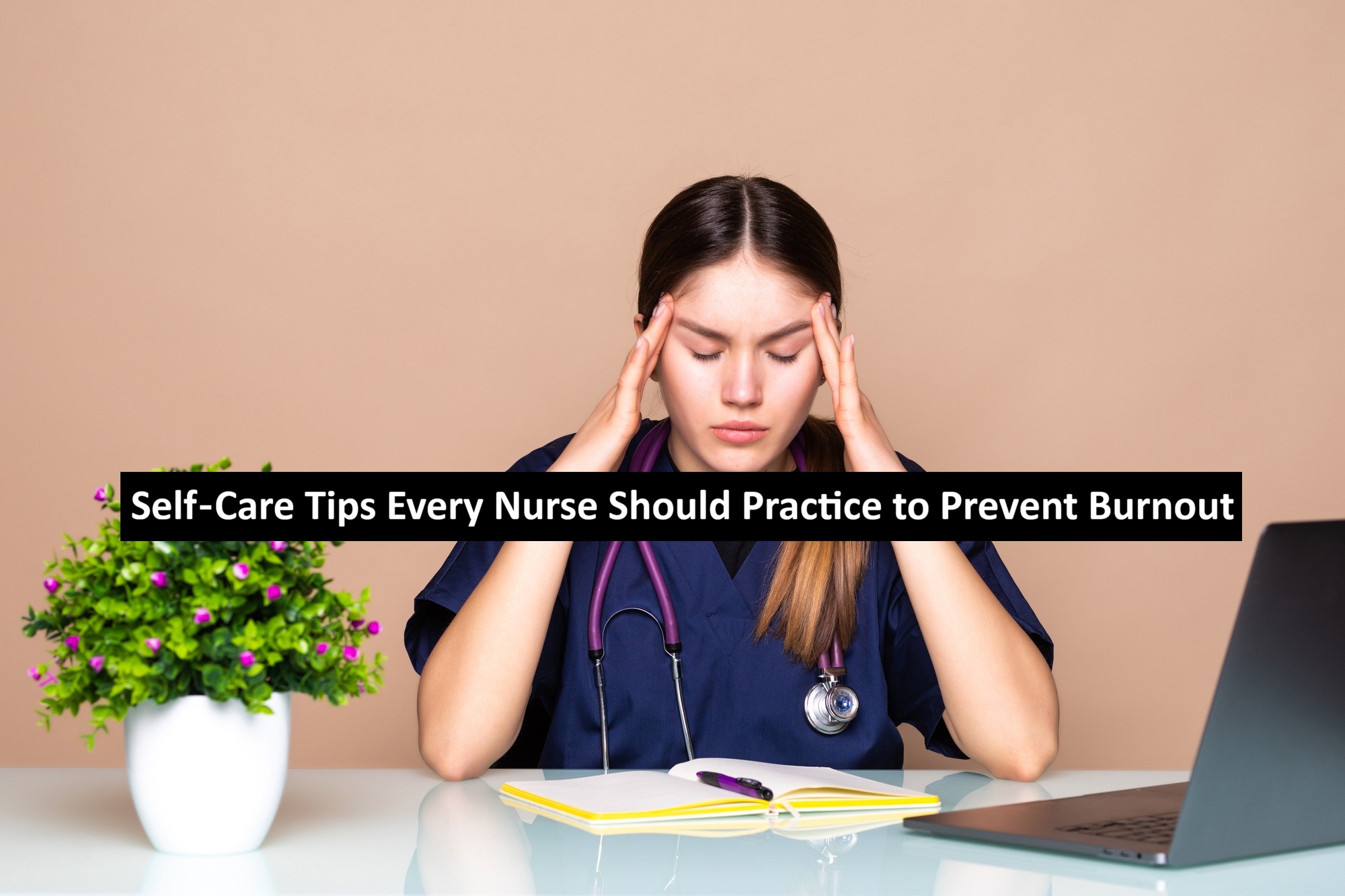
The burnout does not appear immediately once. Early warning of the condition may be manifested by chronic fatigue, irritability, or non-relationship with patients. In addition, emotional pressure is most often accompanied by physical symptoms (headaches or sleep disorders). The reason behind this is that nurses have to monitor the levels of stress at all costs. Timely identification will then mean that it is timely intervened before it is too late.
Prioritize Restful Sleep
The role of sleep in affecting mental stability as well as emotional stability is important. In the case of irregular shifts, nurses should aim at maintaining normal sleep patterns. Also, it is good to wind up screens and stimulants before sleeping in order to enhance sleep. The blackout curtains or white noise are helpful in minimizing disturbances. Last, an adequate sleep level improves the decision-making and patient care performance.
Read: Personalised Liposuction: Tailoring Body Shaping for Your Goals
Maintain Balanced Nutrition
The energy and the immunity are brought by consideration of healthy food. Due to this change, nurses tend to forgo meals or fast food. Instead, it is possible to prevent energy crashes and prepare some simple and healthy snacks. Hydration also makes one alert during the long working hours. Another way that meal planning will ensure consistency in energy is throughout tiring shifts.
Incorporate Physical Activity
Work decreases stress, and enhances mood. These may involve:
- Brisk walks
- Stretches
- Light activity and rest in between the activities
Moreover, it enhances circulation and builds strength of the muscles therefore preventing exhaustion. Even daily average exercise does boost the overall resilience even in the short term. However, it is also important to note that nurses should use the routines that they really like.
Practice Mindfulness Techniques
Mindfulness refers to that practice that encourages diuresis in the present and emotional regulation. The racing mind can be calmed down by meditation techniques, including intensive breathing or mini-meditation. Moreover, stressful shifts can be overcome through journaling. Consecutive practice eradicates terror and escapes emotional depletion. Mindfulness, in turn, is beneficial to professional and personal health.
Develop Professional Relationships
The nurses will always be pressurized to say yes. The needless working and excess time should be put at a limit to protect the psycho. Second, the workloads will be prevented through learning on how to delegate responsibilities. Boundaries also save personal time and energy. Then, nurses will be motivated and will not experience chronic stress.
Developing Thriving Relations
A good buffer to stress at the workplace is an effective social network. Sharing experiences with other workers, friends, family will provide relief and perception. Secondly, peer mentorship programs enhance coping skills and resilience. Job satisfaction is linked with individual nurses with supportive relationships. Lastly, networking will result in emotional and professional growth.
Schedule Regular Mental Health Check-Ins
Nursing is as much about caring of your mind as caring of your body. Regular counseling or therapy sessions help to deal with chronic stress. Moreover, the self-assessment tools will be helpful in order to observe the alterations in the mood in nurses. By early intervention, burnout is prevented. Therefore, mental health is one of the priorities that guarantees stable performance and controlling self-level.
Engage In Meaningful Hobbies
Expenses that can be considered as a way of getting emotional replenishment are hobbies but not at the hospital. The attention to stress is shifted by such activities as:
- Reading
- Painting
- Gardening
Moreover, the creative outlets are more productive in solving the problem and in relaxation. The hobbies would be better planned to ensure that the nurses remain personally satisfied. Thus, the hobbies will reduce exhaustion and burnout.
Optimize Time Management
Proper time management reduces stressful positions during the shifts. The prioritization of tasks, and checklists increase the effectiveness of workflow. Also, the availability of short and calculated pauses will prevent mind overwork. The trick is in balancing work and personal life planning. Lastly, time management conserves energy and concentration.
Leverage Technology Wisely
The stress that is caused by high technology can either ease or enhance the level of stress depending on its application. Nurses should utilize apps in scheduling, reminders, or guided meditation. On the one hand, too much screen time can disrupt sleep and bring anxiety. Development of conscious technology use assists in facilitating self care and is not a stressor. This leads to nurses maximizing productivity and health.
Celebrate Small Wins
Incentives increase morale and morale. Rewards should be offered even concerning minor successes, like the recovery of a patient or the attainment of a difficult operation. Further, self-affirmation generates resistance to burnout. Complimenting success helps sustain the morale and nurture the objective. In this way, the recognition is converted into a self-care measure in itself.
Adapt Self-Care To Shift Work
The rotating nurses or night shift nurses are normally subjected to dizzying schedules. The changes in sleep, nutrition and exercise patterns should ensure that there is a routine self-care. Other than this, the energy is sustained by means of healthy snacks and short relaxation activities. The flexibility will allow nurses to remain healthy even when they are subjected to unpredictable schedules. It is worth mentioning that the necessity to avoid exhaustive long-term impact is guaranteed by routine changes.
Seek Continuing Education And Professional Growth
New skills lead to the development of confidence and reduce stress at work. Having nurses visit workshops or online courses makes them engaged and motivated. In addition to that, the growth of knowledge enhances creative problem solving in the process of attending to the patients. Professional identity is boosted by the incited continuous development, and emotional tension is diminished by it. This renders education as an occupation and a treatment intervention.
Develop Gratitude Practices
Once focusing on gratitude, the mindset is altered and the stress will be substituted with appreciation. To be thankful and every day make gratitude lists or reflect upon the positive events help to gain emotional strength. Moreover, thanksgiving enhances personal and career-related life happiness. The practice will allow one to decrease negative thought patterns and burnout. The gratitude, thus, develops psychological and emotional wellbeing.
Frequently Asked Questions
Q1. How often is mindfulness among nurses common?
Ans. Five-minute mindfulness a day makes one more focused, reduces stress and contributes to emotional health.
Q2. Are hobbies useful to prevent burnout?
Ans. Admittedly, hobbies provide psychological reprieve, emotional rejuvenation and reduce the amount of stress in work.
Q3. What are the burnout symptoms in nurses?
Ans. The red flags of the burnout in the first stages are frequent headaches, boredom with patients and the sense of being depersonalized.
Q4. How can sleep affect nursing performance?
Ans. It is due to long shifts that make people reach cognitive performance, improved decision-making, and emotional stability, which is supported by enough sleep.
Q5. Why is professional development an important aspect of self-care?
Ans. Confidence, reduced stress and resiliency within the clinical setting is something that new skills will enhance.
Conclusion
In order to prevent burnout, mindfulness and self-care have to be practiced daily. Nurses who value rest, eating, physical activity and mental well being are energized. Social ties, interests and professional development are also the factors which enhance resilience. Nurses remain content and calm through timely stress recognition and the realignment of the strategies. Above all, self-care practices are those that can help a nurse to succeed. More so, to feel overwhelmed, maybe you can get some services for you to write my nursing essay for me to give you academic balance.