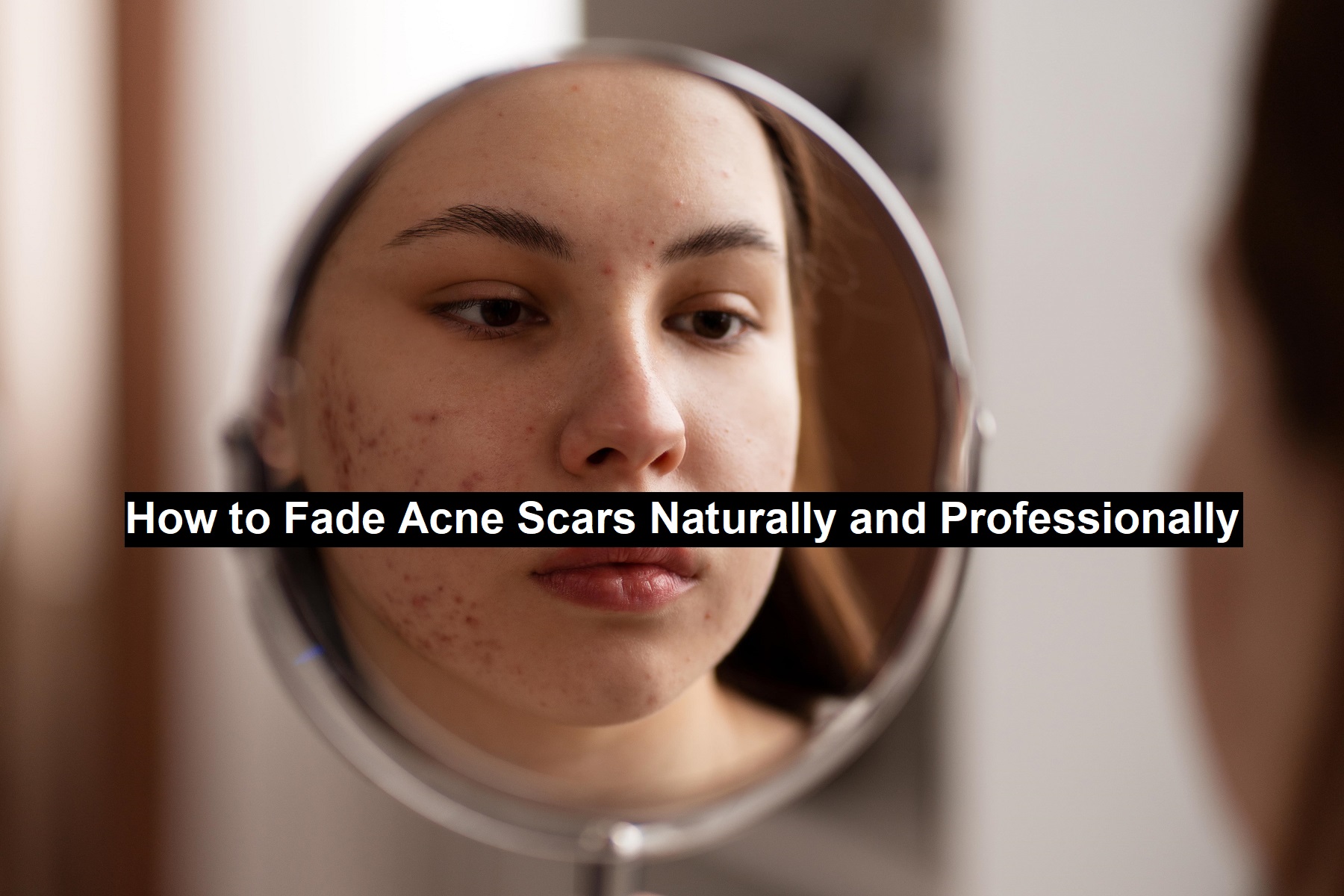
Acne scars can be stubborn. You deal with the breakouts, they finally clear, and you’re left with marks that just don’t want to go away. They’re harmless, but for many of us, they can be a confidence-killer.
The thing is, scars don’t fade overnight. Whether you go the natural route or head to a dermatologist, you’re going to need some patience. The good news? There are plenty of options that actually work. You just need to pick the ones that fit your skin, your budget, and your lifestyle.
Let’s break this down into two parts: what you can do at home, and what a skin professional can do for you.
Why Acne Scars Happen
When your skin is healing from acne, it’s basically patching up damage under the surface. Collagen, the protein that keeps skin firm, plays a big role here.
- Too much collagen during healing leads to raised scars.
- Too little collagen leaves small dips or pits in the skin.
Inflammation during a breakout increases the risk of scarring, and if you’ve ever picked at a pimple (most of us have), that just adds more damage. Prevention always starts with treating acne gently, avoiding harsh scrubs during breakouts, and resisting the urge to squeeze.
Read: Lutein for Eyes: The Natural Way to Protect Your Vision
Fading Acne Scars Naturally at Home
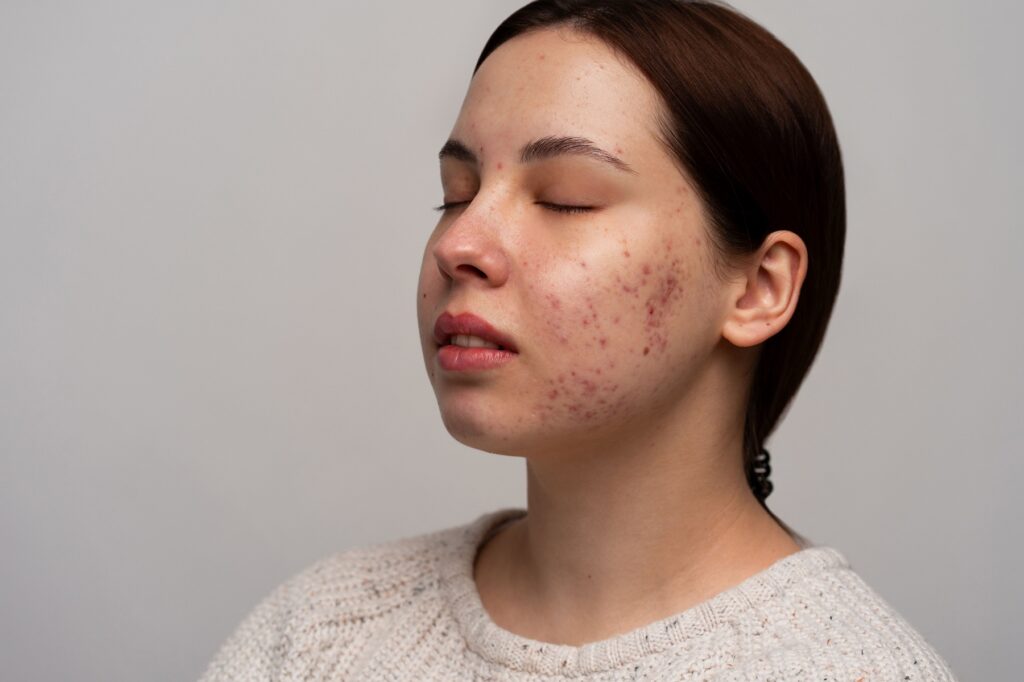
If your scars are mild or you’re not ready to spend money on professional treatments, natural remedies can help. They won’t give instant results, but over time, they can make scars less visible.
1. Aloe Vera
Aloe has a calming, cooling feel when you put it on your skin. If you can, use fresh gel from an aloe leaf. Apply it to your scars, leave it on for 20 minutes, and rinse. Some people like to keep a plant in the kitchen just for this purpose. Daily use can make skin feel softer and may help it heal better.
2. Lemon Juice (Diluted)
Lemon is high in vitamin C, which can brighten dark spots. But it’s strong — applying it straight to your skin can cause irritation or make you more sensitive to the sun. The safer way: mix equal parts lemon juice and water, dab it only on the dark marks, wait 10 minutes, then rinse. Always follow with sunscreen.
3. Honey
Honey is more than just a sweetener. It helps skin hold onto moisture and has natural healing properties. Apply a thin layer before bed, rinse in the morning, and see if your skin feels softer after a few weeks. Manuka honey is popular for skincare, but regular raw honey works too.
4. Gentle Exfoliation
Dead skin cells sitting on the surface make scars look more noticeable. Removing them encourages fresh skin to appear. You can use a mild face scrub once or twice a week, or try a low-strength acid exfoliant like lactic acid or glycolic acid. Don’t overdo it, too much exfoliation can make scars worse.
5. Rosehip Oil
Rosehip oil has fatty acids and antioxidants that can improve skin tone. Massage a few drops into clean skin before bed. It’s lightweight, so it works for most skin types.
6. Consistent Moisturizing
Hydrated skin repairs itself more efficiently. Use a moisturizer suited to your skin type, morning and night. Even oily skin needs hydration; just pick a light, non-greasy formula.
While your skin is healing, you can boost your confidence with a natural makeup look for acne-prone skin. It helps even out your complexion without adding products that might clog pores or cause new breakouts.
Professional Treatments That Work Faster

Natural remedies are gentle, but they take time. If your scars are deeper or you want faster results, a dermatologist can recommend professional treatments.
1. Chemical Peels
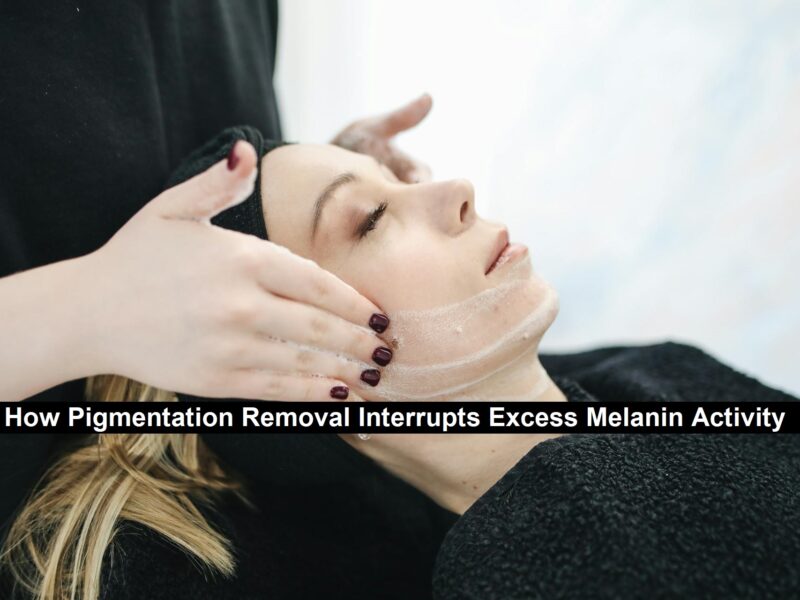
A chemical solution is applied to your face, which causes the top layer of skin to peel off. This reveals fresher, smoother skin underneath. Light peels have minimal downtime, while deeper peels may require a week or more to recover.
2. Microdermabrasion
A handheld tool removes the outer layer of skin using fine crystals or a diamond tip. It’s painless for most people and you can return to normal activities right away. You’ll usually need a few sessions to see big changes.
3. Microneedling
Tiny needles create small punctures in the skin, which prompts it to make more collagen. Over time, this can fill in indented scars. It’s not a one-and-done process — most people see the best results after several treatments spaced a few weeks apart.
4. Laser Therapy
Laser treatments target scar tissue and stimulate new skin growth. Some lasers focus on improving texture, while others target redness or dark marks. Your dermatologist will know which type will work best for your scars.
5. Fillers
For scars that are very deep, fillers can be injected to raise the skin’s surface so the scar blends in better. Fillers are temporary and usually last from several months to a year.
Tips That Make Any Treatment Work Better

- Always use sunscreen. Sun exposure can darken scars and undo progress.
- Hands off your face. Picking or squeezing pimples creates new scars.
- Be patient. Even the fastest treatments take time to work.
- Feed your skin from the inside. Foods rich in vitamins A, C, and E, plus zinc, support skin healing.
- Stay hydrated. Drinking enough water keeps your skin healthy.
- Moisturize daily. Healthy, well-hydrated skin heals more evenly.
When to See a Dermatologist
If you’ve been trying home remedies for months and your scars still look the same, or if your skin texture is making you feel self-conscious, it’s worth booking a consultation. A dermatologist can examine your skin, explain your options, and help you decide on a plan that makes sense for you.
The Bottom Line
Acne scars can be frustrating, but you’re not stuck with them forever. Whether you go for gentle, natural options or choose professional treatments, steady care and patience are your best tools. It’s not about chasing “perfect” skin, it’s about helping your skin look and feel its best, one step at a time.
Author’s Bio:
Disha Sharma is an experienced content writer with a proven track record at Skinerva Clinic. Her work spans various subjects, demonstrating her versatility and ability to adapt her writing style to different audiences.