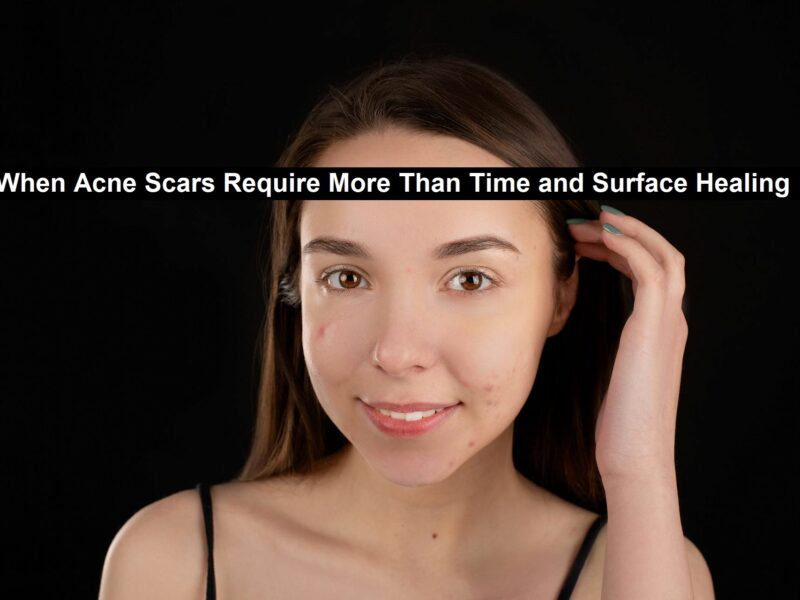
Skin pigmentation is regulated by a complex interaction between melanocytes, keratinocytes, inflammatory mediators, hormones, and environmental triggers. When this regulation becomes disrupted, excess melanin is produced or unevenly distributed, leading to visible dark patches. While some pigmentation fades naturally as skin renews itself, other forms persist or recur despite time and careful skincare. From a medical perspective, persistent pigmentation reflects ongoing melanocyte stimulation rather than a purely surface-level issue.
As people age, the mechanisms that regulate melanin activity become less stable. Cumulative ultraviolet exposure, slower epidermal turnover, and repeated inflammatory insults alter how melanocytes behave. These changes explain why pigmentation disorders often become more resistant to treatment over time. For patients considering pigmentation removal treatment Singapore, understanding how treatments interrupt excess melanin activity helps clarify why certain approaches are effective while others provide only temporary improvement.
Why Excess Melanin Activity Becomes More Persistent With Age
Melanocytes are specialized cells located in the basal layer of the epidermis. Their primary function is to produce melanin in response to ultraviolet radiation, protecting deeper tissues from DNA damage. In younger skin, this response is usually proportional and well regulated. With age, however, melanocyte density decreases while the remaining cells often become hyperresponsive.
At the same time, epidermal turnover slows by approximately 20–30% between early adulthood and later decades. Pigment-containing keratinocytes remain in the skin longer, allowing discoloration to persist even after melanin production has normalized. Dermal thinning and loss of structural support also make deeper pigment more visible through the skin surface. These factors combined mean that excess melanin activity is more likely to become chronic rather than transient as the skin ages.
Screening and Early Identification of Pigmentation Type
Effective pigmentation management begins with accurate diagnosis. Not all pigmentation arises from the same mechanism, and different types respond differently to treatment. Dermatologists typically distinguish between conditions such as melasma, solar lentigines, and post-inflammatory hyperpigmentation based on distribution, symmetry, depth, and triggering factors.
Clinical examination is often supported by dermoscopy, which allows visualization of pigment networks and vascular patterns. In some cases, Wood’s lamp examination may help determine whether pigment is predominantly epidermal or dermal. Epidermal pigment tends to respond more readily to topical and superficial treatments, while dermal pigment is often more resistant and slower to clear.
Early assessment is also important to exclude malignant or pre-malignant lesions that may mimic benign pigmentation. A dermatologist in Singapore may recommend further investigation if lesions show irregular borders, rapid change, or color variation.
Daily Care and Lifestyle Factors Influencing Melanin Activity
Daily habits strongly influence whether melanin activity remains suppressed or reactivates after treatment. Ultraviolet radiation is the most potent external trigger for melanocyte stimulation. Even incidental sun exposure can reactivate pigment production, particularly in conditions such as melasma.
Consistent use of broad-spectrum sunscreen with an SPF of at least 30 reduces UVA and UVB exposure, limiting melanocyte activation. Physical sunscreens containing zinc oxide or titanium dioxide may also reduce visible light exposure, which has been shown to exacerbate certain pigment disorders.
Skin barrier disruption is another important factor. Aggressive exfoliation, frequent use of strong acids, or inappropriate product layering can induce subclinical inflammation. Inflammatory mediators released during irritation stimulate melanocytes, counteracting the effects of pigment-suppressing treatments. Gentle cleansing and adequate moisturization help maintain barrier integrity and reduce this risk.
Read: Can Supplements Help You Sleep Better? What the Research Says
Age-Related and Chronic Conditions Linked to Pigmentation
Several chronic and age-related conditions influence melanin regulation. Melasma is closely linked to hormonal fluctuations, including pregnancy, oral contraceptive use, and perimenopause. These internal triggers may continue even after pigment has visibly improved, contributing to recurrence.
Post-inflammatory hyperpigmentation often follows acne, eczema, or cosmetic procedures. In older skin, reduced repair capacity means pigment left behind by inflammation may persist longer. Chronic sun damage also contributes to solar lentigines, reflecting localized overactivity of melanocytes accumulated over years of exposure.
These overlapping mechanisms mean that pigmentation disorders often require ongoing management rather than one-time intervention.
Prescription Treatments Versus Over-the-Counter Options
Over-the-counter brightening products typically contain lower concentrations of active ingredients designed to minimize irritation. Common agents include vitamin C derivatives, niacinamide, and retinol at concentrations below 1%. These products may reduce oxidative stress, inhibit melanin transfer, or modestly increase epidermal turnover. However, their effects are often gradual and limited in moderate to severe pigmentation.
Prescription treatments act more directly on melanin synthesis. Hydroquinone at 4% inhibits tyrosinase, the enzyme essential for melanin production, more effectively than the 2% formulations available without prescription. Azelaic acid at 15–20% reduces melanocyte activity while also exerting anti-inflammatory effects. Topical retinoids such as tretinoin (0.025–0.1%) accelerate epidermal turnover and enhance penetration of other agents.
Clinical improvement with prescription therapy typically becomes noticeable after 6–12 weeks of consistent use. Maintenance therapy is often required to prevent rebound pigmentation.
In-Clinic Procedures That Interrupt Melanin Activity
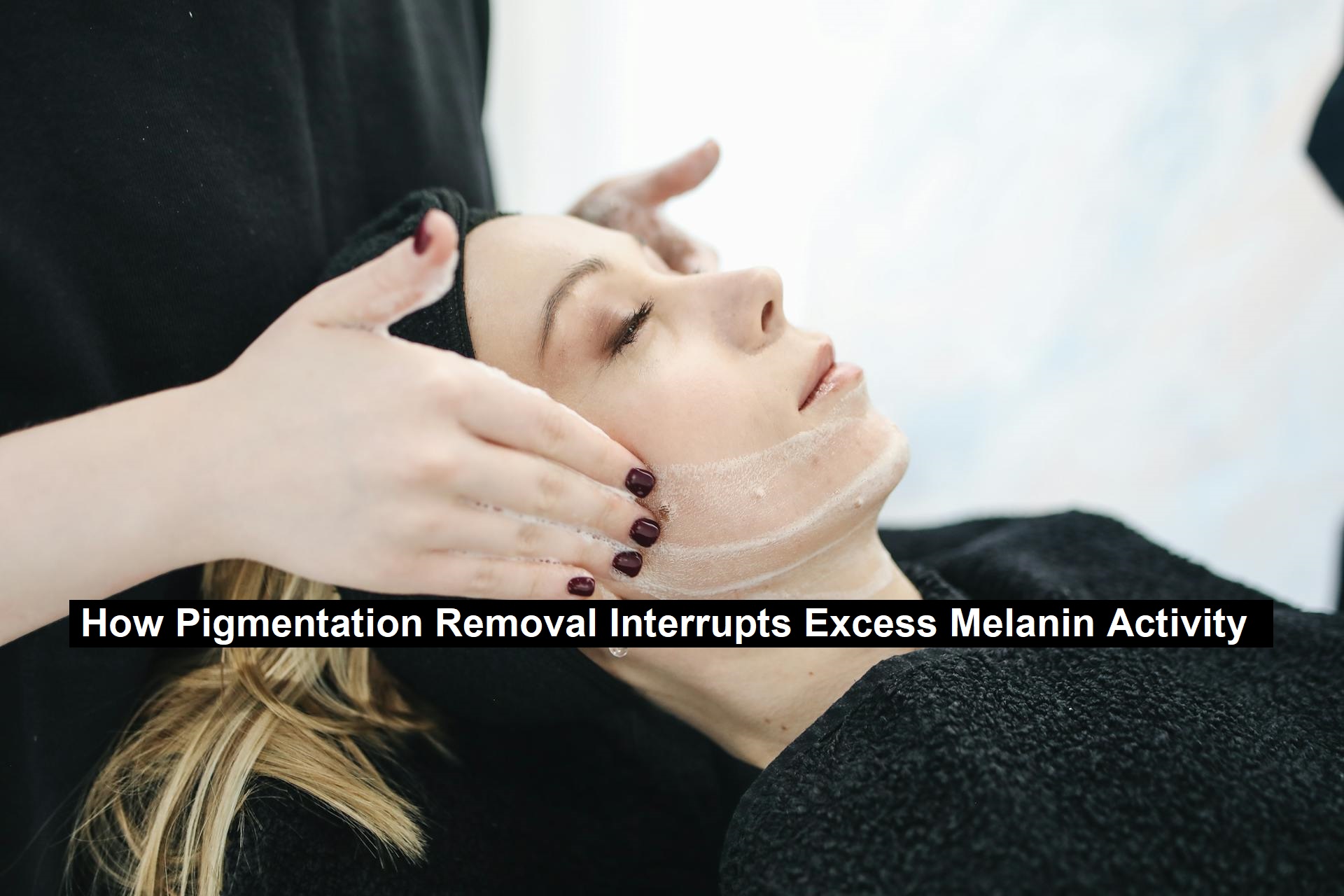
Procedural treatments target pigment that is resistant to topical therapy or located deeper within the skin. Chemical peels using glycolic, salicylic, or trichloroacetic acid remove pigment-laden keratinocytes and stimulate regeneration. Superficial peels may be repeated regularly, while deeper peels require longer recovery but can reach more persistent pigment.
Laser and light-based devices act by selectively targeting melanin. Q-switched and picosecond lasers deliver short pulses that fragment pigment particles, allowing gradual clearance by the immune system. Intense pulsed light can address more diffuse pigmentation by targeting multiple chromophores simultaneously.
These procedures do not eliminate melanocytes but reduce existing pigment and disrupt abnormal melanin clustering. Multiple sessions are often required, and careful parameter selection is essential to minimize post-inflammatory hyperpigmentation.
What Our Dermatologist Says
In my clinical practice, I often explain that pigmentation removal is not about permanently shutting down melanocytes. These cells serve an important protective function. The goal is to interrupt abnormal overactivity and restore a more balanced response.
I also emphasize that recurrence is common when triggers remain unaddressed. Sun exposure, heat, and inflammation can quickly reactivate pigment production if maintenance strategies are not followed. Long-term success depends on combining appropriate treatments with daily protective measures.
Putting This Into Practice
- Have pigmentation clinically assessed to determine type and depth
- Use broad-spectrum sun protection every day
- Avoid unnecessary skin irritation or over-exfoliation
- Follow prescription treatments for the recommended duration
- Attend follow-up visits to monitor response and adjust care
When to Seek Professional Help
- Pigmentation that persists despite over-the-counter products
- Dark patches that worsen with sun exposure or hormonal changes
- New or changing pigmented lesions
- Pigment associated with itching, bleeding, or irregular borders
- Interest in procedural treatments requiring medical supervision
Commonly Asked Questions
Why does pigmentation sometimes return after treatment?
Underlying triggers such as ultraviolet exposure or hormonal influences may continue to stimulate melanocytes.
Is pigmentation removal permanent?
Many treatments reduce existing pigment, but ongoing maintenance is often needed to prevent recurrence.
Do lasers work for all types of pigmentation?
Effectiveness depends on pigment depth, diagnosis, and skin type. Not all pigment responds equally.
Is darker skin more difficult to treat?
Higher melanin levels increase the risk of post-inflammatory hyperpigmentation, requiring careful treatment selection.
How long before results are visible?
Topical treatments often show improvement in 6–12 weeks, while procedural treatments may require multiple sessions over several months.
Next Steps
Excess melanin activity reflects complex interactions between skin biology, aging, and environmental exposure. When pigmentation persists or recurs, targeted evaluation and evidence-based management are often required. If discoloration remains a concern, a consultation with a dermatologist can help determine which approaches are most appropriate for your skin type and long-term needs.