

Millions of people around the world struggle with falling asleep and staying asleep. So if you’re lying in bed, reading this at 2 AM because you can’t fall asleep, just know that you are not alone. Nearly one-third of adults report that they struggle with either falling asleep promptly or staying asleep throughout the night.
It’s also not uncommon for people to search for alternatives to prescribed medications for any number of issues that are impacting their quality of life. We’ve probably all had a friend or acquaintance tell us a horror story of them taking a prescription sleep medication.
It’s one of the reasons sleep supplements are exploding in popularity, but do they actually work? Here’s what science tells us. Spoiler alert: it’s complicated.
The Sleep Supplement Gold Rush
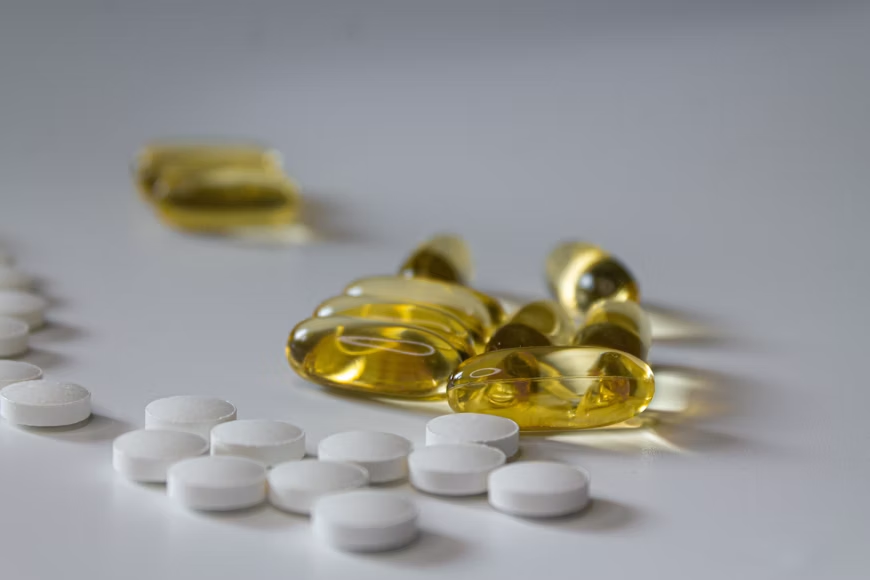
The sleep aid market has really taken off in the last decade, and natural supplements have been leading the charge. The largest draw to supplements instead of prescriptions is the assumption that a supplement is safer and comes with fewer side effects.
Already, we have something that may surprise you about that way of thinking: the regulatory landscape is entirely different for supplements and prescriptions. Where prescription medications undergo years of research and trials before they can make claims about the product and be prescribed to patients, supplements are not held to the same standards. Which is why you’ve probably heard and seen this phrase multiple times: “This statement has not been evaluated by the Food and Drug Administration. This product is not intended to diagnose, treat, cure, or prevent any disease.”
Companies can put almost any claim on the label of a supplement as long as they have that disclaimer on the packaging as well.
But let’s look into some of the supplements that do have some scientific backing behind them when it comes to improving sleep.
Melatonin
This is the people’s champion when it comes to sleep supplements, and has the most solid research behind it. Melatonin is produced naturally in the body by your brain’s pineal gland. It helps your body realize that it’s time to start winding down for the night.
The research behind Melatonin is pretty impressive. Most studies agree that it reduces the time it takes to fall asleep and increases total sleep time. It does appear to work best for specific sleep issues like delayed sleep phase syndrome (night owls, this one’s for you), jet lag, and night shift workers.
Magnesium
Magnesium has been coming into the spotlight lately as a sleep aid, and there’s actually some decent science behind the hype. The mineral is involved in over 300 reactions in your body, including helping to flip the switch on your parasympathetic nervous system. That’s your body’s “relax and digest” mode.
One of the more prominent studies behind using magnesium as a sleep aid showed real promise. Participants who took 500mg of magnesium daily for eight weeks had significant improvements in sleep time, sleep efficiency, and fewer early morning wakeups.
Valerian Root
Valerian root has been around for centuries. People have been brewing this stuff since ancient times, and modern research has been trying to catch up.
Read: Mindful Eating: A Self-Care Practice That Starts on Your Plate
Now, the research that’s coming out is all over the place. Some studies show modest improvement in sleep quality and faster sleep onset. Others show no difference from the placebo group. People have been taking this as a sleep aid for thousands of years, so there could be something behind this that science just can’t quite quantify yet.
Chamomile

Chamomile is a bedtime classic in the tea industry, and concentrated chamomile extract takes this to a whole new level. The flower contains compounds that bind to the same receptors as some prescription sleep meds, which is pretty impressive.
The research does show modest benefits, particularly in older adults. One study did find that participants had better sleep quality than those who didn’t take it. But like a lot of herbal supplements, this is still in the “promising but needs more research” category.
The Bottom Line
When it comes to sleep supplements, we can’t say definitively one way or the other which one will work for you. Most studies demonstrate modest improvements, not miracle cures. These studies do have their limitations, though. Small sample sizes, short durations, and different methodologies.
Each body and mind is unique as well. What works for one person might not work for someone else. Similarly, keto or intermittent fasting has different effects on individuals with varying genetic backgrounds.
While certain sleep supplements do show promise in studies, they work best when they are part of a larger strategy. A consistent bedtime routine, a comfortable environment, looking after your mental health, and avoiding screens before bed are also factors that can improve your sleep quality.