When your child has trouble sleeping, is unusually fussy, or starts to complain of body aches, it’s natural to want a gentle solution. Some parents come across osteopathy and wonder if it’s suitable or even safe for young children.
The short answer is: yes. Osteopathy can be safe for babies, children, and teenagers when carried out by a trained and registered osteopath. It’s a hands-on therapy that works with the body’s structure to ease tension, help with movement, and support comfort.
In this article, we’ll walk through what it involves, why some parents explore it for their child, and what you should expect during a session.
What Is Osteopathy?
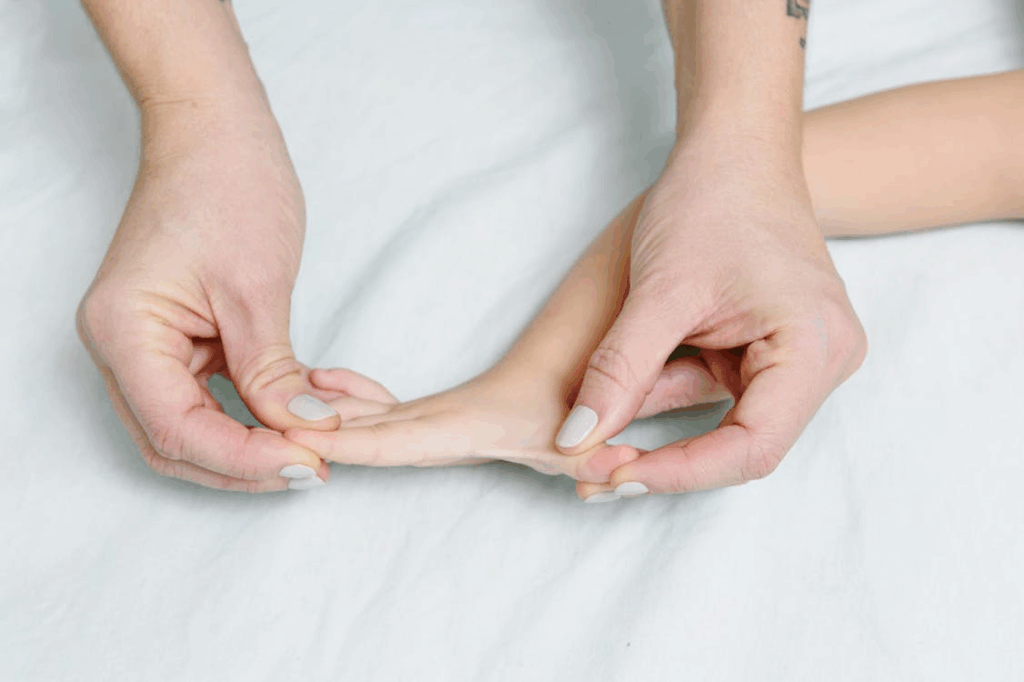
Osteopathy is a form of manual therapy that focuses on the body’s muscles, bones, joints, and overall movement. Osteopaths use touch, gentle movements, and physical checks to see how the body is working. Then, they use their hands to ease tight areas, help stiff joints move better, and reduce discomfort.
In the UK, osteopaths are trained professionals who must register with the General Osteopathic Council. This means they follow strict standards and are trained to work safely with people of all ages, including young children.
You can also read about what happens during osteopathic treatment on the NHS website.
Is Osteopathy Safe for Children?
Yes. When done by a registered osteopath, the treatment is generally considered safe for babies, toddlers, and teenagers. The techniques used for children are gentle and adjusted based on the child’s age, size, and needs.
Osteopaths who see children take special care to explain what they’re doing and always check that the parent or carer is comfortable. They will never start treatment without first talking through your child’s health, background, and any medical issues.
For very young children and babies, the touch used is often light and slow. There’s no quick pulling or force. The aim is to relax tension, improve how the body moves, and help the child feel more settled.
If an osteopath ever feels that something seems outside their scope, such as a more serious health concern, they will suggest that you see a GP or another medical professional.
Why Might a Child See an Osteopath?
Parents bring their children to osteopaths for all sorts of everyday concerns. Here are a few examples:
Babies
- Trouble sleeping
- Feeding issues
- Colic-like symptoms
- Constant crying or fussiness
While osteopathy doesn’t cure these problems, some parents say that their babies seem calmer and more relaxed after a session.
Children
- Poor posture
- Discomfort when walking
- Stiffness in the shoulders or hips
- General tiredness or restlessness
Osteopathy may help with muscle tension and support healthy movement as the child grows.
Teenagers
- Sports-related strains
- Back or shoulder pain from heavy bags
- Tension from long hours at a desk or on a phone
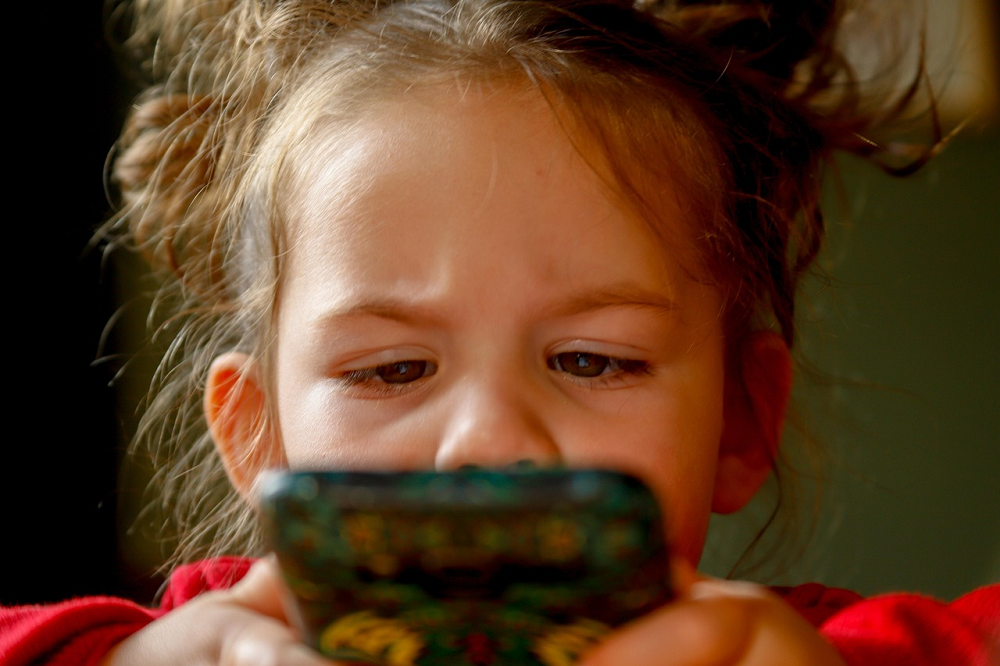
Teenage bodies are still growing, and osteopathy can sometimes help manage strain linked to those changes.
It’s important to remember that osteopathy is not a replacement for a GP or specialist care. But for common physical discomforts, it may be a helpful option.
Read: Medical Imaging Software: How to Make Your Healthcare Business More Efficient?
What Happens During a Session?
A children’s osteopathy session is calm and focused. Here’s what usually takes place:
- Chat and history
The osteopath will talk with the parent and child (if old enough) to understand what’s going on. They’ll ask about your child’s health, habits, daily activities, and any concerns you have. - Observation and checks
The osteopath may ask your child to walk, stretch, or sit in different ways so they can see how their body moves. For babies, the osteopath may observe how they lie, turn, or hold their head. - Hands-on treatment
If appropriate, the osteopath may use very gentle movements or touch to ease stiffness or tension. This could include soft stretching or slow rhythmic pressure. It is never painful or forced. - Parental involvement
Parents usually stay in the room the entire time. You can ask questions, pause the session, or stop it at any point.
Children usually stay clothed or may be asked to wear light clothing, like a t-shirt and shorts, so the osteopath can work comfortably. If your child feels unsure or shy, that’s okay. Nothing happens without permission.
Are There Any Side Effects?
Side effects in children are rare. Sometimes a child might seem sleepy or extra alert after a session. Others may be slightly unsettled for a few hours. These effects usually go away quickly.
If your child experiences anything that worries you after a session, the osteopath should be happy to talk it through and explain whether it’s expected.The most important thing is to always use a registered professional. You can check the General Osteopathic Council register online to make sure your practitioner meets national standards.
Questions to Ask Before Booking
If you’re thinking of taking your child to an osteopath, here are a few questions you might ask first:
- Do you have experience working with children or babies?
- Are you registered with the General Osteopathic Council?
- What kinds of issues do you usually help children with?
- Will you explain everything before treatment starts?
Good osteopaths are happy to answer these and will make you feel at ease.
Local Example: Arc Osteopathy
In Croydon, clinics like Arc Osteopathy offer treatment for patients of all ages, including children. They’re listed on the General Osteopathic Council’s public register and follow recognised standards for care and safety. If you’re looking for a Croydon osteopath, Arc is one example you can look into.
Final Thoughts
Osteopathy can be a helpful part of your child’s health routine, especially when you’re looking for a gentle, non-invasive approach. It’s not a cure-all and shouldn’t replace medical care, but for common aches and discomfort, it may offer comfort and support.
Always speak to a registered professional, ask questions, and stay involved throughout your child’s care. When done properly, osteopathy for children is safe, calm, and respectful, and many parents feel reassured knowing they have another option to explore.