

Accuracy and speed are not merely goals in today’s busy healthcare sector, but a necessity. Medical imaging software is revolutionizing the way doctors diagnose, treat, and monitor patients. It plays a vital role in enhancing the effectiveness and smartness of healthcare, ranging from reducing diagnosis errors to accelerating processes.
How is this technology making a positive impact in the field of patient care? How does it provide more options to medical practitioners throughout the globe? Let us find out.
Diagnostics opportunities
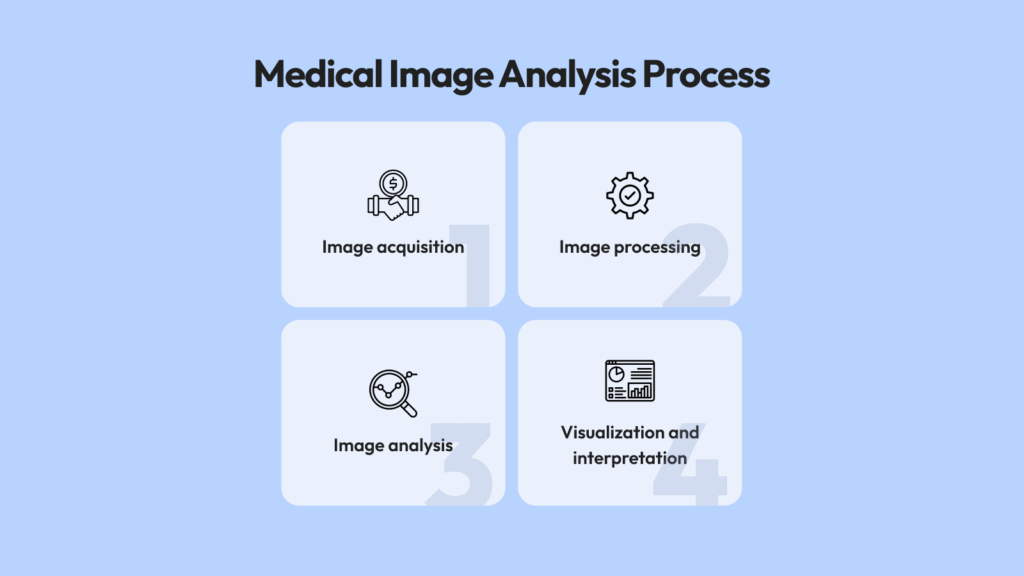
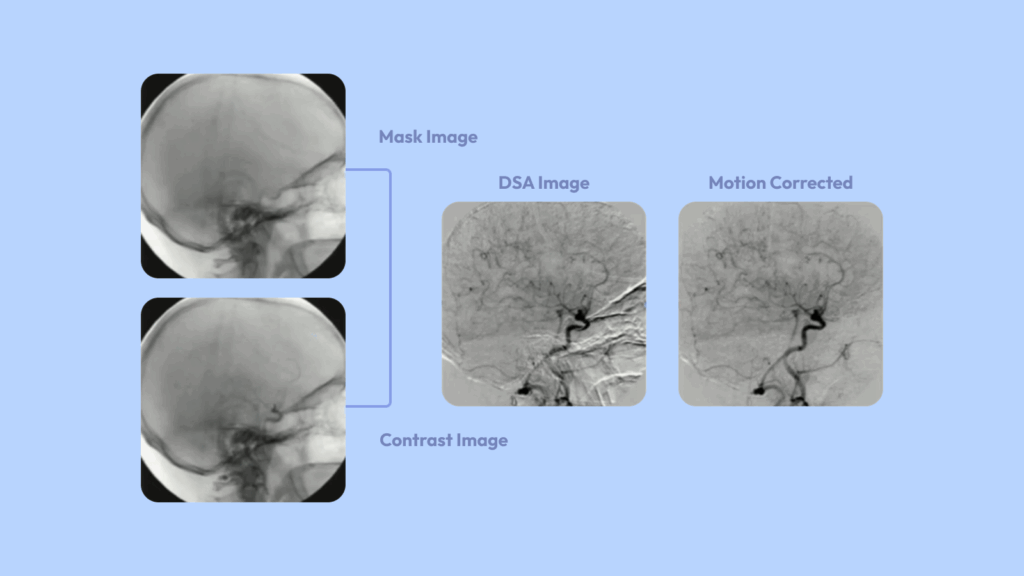
Consider a radiology specialist who reviews hundreds of images daily. The risk of fatigue or negligence is quite high. Medical imaging software can assist with it. It has the capability of highlighting abnormalities in X-ray, CT, and MRI images, in some cases, earlier than the human eye.
AI-based applications, such as Zebra Medical Vision or Aidoc, can detect potential issues, including lung nodules or brain bleeds, in a matter of seconds by reviewing images. This improves patient outcomes by enabling radiologists to immediately prioritize life-threatening situations.
At Massachusetts General Hospital, an AI system outperformed younger radiologists in detecting pneumonia in chest X-rays. This is aimed at nurturing talents among experts, rather than overthrowing them.
Read: How to Make Your Eyelash Extensions Last Longer: 7 Expert Tips
Precision Treatment
It is more important to be able to make decisions than just to detect things. Imaging software helps to tailor treatment using amazingly detailed image data.
To create an accurate map of the tumors, oncology teams often utilize 3D imaging software. This precision is needed in radiation therapy, where the goal is to destroy cancerous cells, sparing normal tissue.
Orthopedic surgeons can create patient-specific 3D models with MRI or CT images on platforms like Materialise. These models enable better planning of surgery and reduce operating room time. A hip replacement is a surgery that is nowadays well-planned based on the patient’s anatomy rather than just a method.
Remote Access
Not every patient is located near a hospital with extremely modern imaging equipment. The process of remotely exchanging and interpreting medical images, or teleradiology, has become imperative, especially in underserved or remote areas.
The medical imaging software can help radiologists in one country to view real-time images in another country. The COVID-19 epidemic highlighted the problem of overwhelmed local hospitals, as many healthcare institutions volunteered to assist them with cloud-based imaging solutions. The doctors in New York had to collaborate with radiologists in other states and even countries to cope with the large number of patients.
Furthermore, with the implementation of second views, such software can offer patients the opportunity to consult with specialists who are hundreds of kilometers away, without requiring them to leave their district.
Smooth Workflows
Before the popularisation of imaging software, medical picture storage and retrieval were tedious manual processes. Picture stacks and physical storage rooms of films are not that efficient.
Contemporary software systems can effortlessly retrieve a patient’s history and images within a few seconds, as they are interfaced with PACS (Picture Archiving and Communication Systems) and EHRs (Electronic Health Records). This, besides saving time, enables the physicians to make quicker and more informed decisions.
Hospitals using cloud-based imaging technologies report improved diagnosis turnaround times. As an illustration, one of the largest health networks in California reduced report delays by 30% after introducing a single imaging platform.
Clinicians Trainings
Only not fledgling amateurs can work with imaging software. Medicine can also be effectively taught using it.
Students can now work with 3D anatomical models that are based on real patient data. They can visually explore organs, zoom in on the anatomy, and simulate procedures, rather than learning from flat textbook illustrations. The outcomes of this immersive experience are a deeper understanding and better memory.
To prepare students for a future in medicine that is as technologically advanced as possible, medical schools worldwide, such as Stanford and Johns Hopkins, have incorporated VR-compatible imaging systems into their programs.
Ethical Considerations
Naturally,the adoption of imaging solutions and the idea to develop a custom telemedicine software is not without some problems. Data privacy is a major concern. These systems process large amounts of sensitive patient data (one of the risks of this is presented below), and any security breaches could be disastrous.
Another one is the problem of algorithmic bias. Without diverse training data, an AI model can prove to be terrible at representing the underrepresented populations. The developers should prioritise openness, inclusion, and ongoing supervision to ensure truth and fairness.
Moreover, as soon as doctors begin to put more trust in algorithms than in their own experience, the overreliance on programs can lead to the atrophy of skills. Nonetheless, it remains important to find the balance between technology and human judgment.
Final Thoughts
Medical imaging software is more than a technical upgrade. It’s really a revolution in care delivery. It enables faster diagnosis, personalized treatment, telemedicine, and realistic training. Millions will benefit as hospitals adopt these tools and develop custom telemedicine software tailored to their needs.